
Non-Resident Buyers of Pre-Construction Condos in Mississauga: Tax Rules Explained


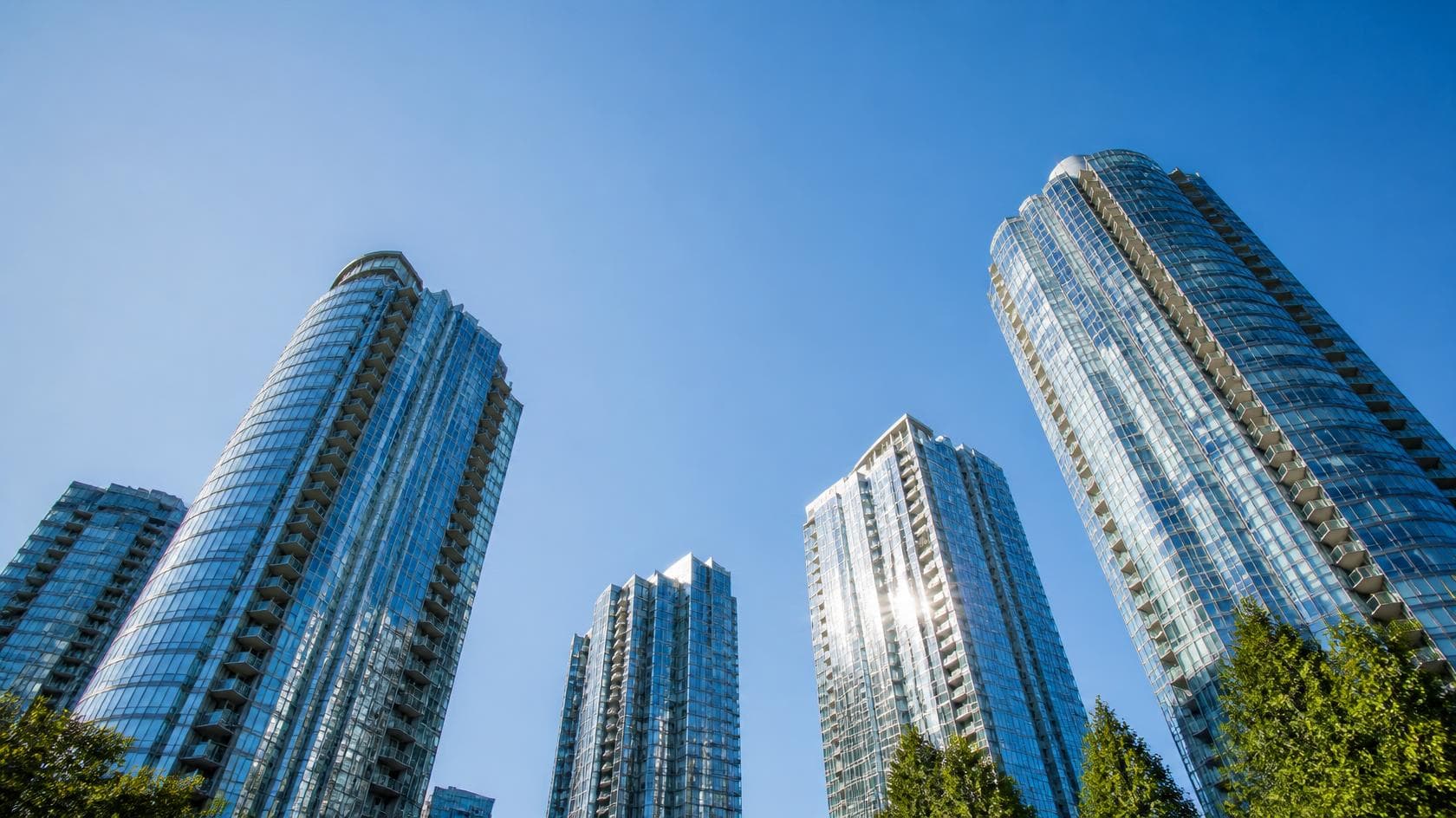
Mississauga's skyline around Square One and City Centre has been reshaped almost entirely by pre-construction towers over the last decade, and a meaningful share of the interest in those projects comes from buyers living outside Canada entirely. Before any tax question comes up for that buyer, there's a more basic one: are you actually allowed to buy at all?
Here's the order it actually goes in.
The Foreign Buyer Ban Comes First
The Prohibition on the Purchase of Residential Property by Non-Canadians Act has been in force since January 2023 and is currently extended through January 1, 2027. It generally prevents non-Canadians — anyone who isn't a Canadian citizen or permanent resident — from buying residential property in most Canadian cities, and Mississauga, as part of the Greater Toronto Area, is squarely covered. There are real exceptions: certain work permit holders, some temporary residents who've been in Canada long enough, refugee claimants, and non-Canadians buying jointly with a Canadian spouse or common-law partner. Buying land specifically for development is also exempt, but buying a finished or near-finished unit in a City Centre or Port Credit tower for personal use generally is not. Violations carry fines up to $10,000 and can force a sale.
If none of the exceptions clearly apply to your situation, this is a legal question to settle before a tax one, and it's worth confirming with real estate tax specialists in Mississauga alongside a real estate lawyer before you sign anything.
If You Qualify to Buy: The Non-Resident Speculation Tax
Assuming you fit one of the exceptions, the next number to know is Ontario's Non-Resident Speculation Tax — currently 25% of the purchase price, applied province-wide, on top of the regular land transfer tax. On a $700,000 Mississauga condo, that's an additional $175,000 before any other closing cost is even calculated. There's a partial escape route: buyers who commit to becoming a permanent resident or citizen within four years of purchase may qualify for a rebate of the NRST paid, but that rebate has to be applied for and isn't automatic.
HST Rebates Don't Work the Same Way for Non-Residents
The standard HST New Housing Rebate assumes you'll occupy the unit as a primary residence — which most non-resident buyers won't. If you're renting it out instead, which is common for Mississauga units bought as investment properties near the GO station or airport corridor, you're looking at the New Residential Rental Property Rebate rather than the standard one, with its own lease documentation requirements. HST and GST filing in Mississauga is where builders and buyers alike get this sorted correctly rather than discovering a mismatch after closing.
Owning the Unit as a Non-Resident: Rental Income and Withholding Tax
Rent the condo out as a non-resident owner, and Canada requires 25% withholding tax on the gross rental income by default, remitted by whoever collects the rent on your behalf. Most non-resident landlords instead file a Section 216 election, which allows tax to be calculated on net rental income after expenses — usually a significantly better outcome, but one that requires proper annual filing to maintain. This is exactly the kind of ongoing filing personal income tax services in Mississauga handle for non-resident owners year after year.
Selling the Unit Later Comes With Its Own Withholding Rule
When a non-resident eventually sells Canadian real estate, the buyer is required to withhold 25% of the gross sale price and remit it to the CRA — unless the seller has obtained a clearance certificate in advance. Without that certificate, a non-resident seller can find a substantial portion of their sale proceeds tied up with the CRA for months. Planning for this well before listing, not after an offer is accepted, is what keeps it from becoming a cash flow problem at the worst possible time.
Conclusion
For a non-resident buyer, a pre-construction condo purchase in Mississauga isn't one tax question — it's a federal eligibility question, a 25% provincial tax, a different HST rebate track, and an ongoing withholding obligation that follows the property from rental income all the way through to sale. Very little of this is optional or avoidable, which makes getting it structured correctly from the start the only real lever available.
Goodaccounting is a CPA-led firm working with individuals and businesses across Mississauga, Toronto, and the GTA on personal and corporate tax, bookkeeping, payroll, real estate tax, and incorporation. Book a free consultation to get started.
FAQ
1. Can a non-resident buy a pre-construction condo in Mississauga right now?
Only if an exception to the federal foreign buyer ban applies — the ban is in force until January 1, 2027, with limited exceptions for certain work permit holders, some temporary residents, and non-Canadians buying with a Canadian spouse.
2. How much is the Non-Resident Speculation Tax?
25% of the purchase price, province-wide, on top of regular land transfer tax.
3. Can a non-resident buyer get the NRST back later?
Possibly — if you become a Canadian permanent resident or citizen within four years of purchase, you may qualify for a rebate, though it must be applied for.
4. Does a non-resident pay the same HST rebate as a Canadian buyer?
Not usually — most non-resident owners rent the unit out and need the New Residential Rental Property Rebate instead of the standard one. HST and GST filing in Mississauga can confirm which applies.
5. How is rental income taxed for a non-resident owner?
Canada requires 25% withholding on gross rent by default, though most non-resident landlords file a Section 216 election to be taxed on net income instead — a filing personal income tax services in Mississauga handle annually.
6. What happens when a non-resident sells the property?
The buyer must withhold 25% of the gross sale price for the CRA unless the seller has obtained a clearance certificate in advance.
7. Are American buyers treated any differently?
Not under Canadian tax rules specifically, but US citizens and green card holders also have US reporting obligations on foreign property, which is worth reviewing alongside the Canadian side.
Sources
- Canada Mortgage and Housing Corporation — Prohibition on the Purchase of Residential Property by Non-Canadians Act
- Government of Canada — Foreign Buyer Ban Extension Announcement, 2024
- Ontario Ministry of Finance — Non-Resident Speculation Tax
- Canada Revenue Agency — Section 216 Election and Non-Resident Withholding Tax
Disclaimer: This article is for general informational purposes only and does not constitute professional accounting, tax, or financial advice. Every business situation is different, and tax laws can change. Please consult a licensed accountant in Brampton or the GTA before making any financial or tax decisions based on this content.
You might also like
Non-Resident Buyers of Pre-Construction Condos in Mississauga: Tax Rules Explained
Last Updated Sep 24, 2026
Tax Implications of Buying a Pre-Construction Condo in Toronto
Last Updated Sep 23, 2026

Closing Costs for Pre-Construction Condos, Including Tax and Legal Fees
Last Updated Sep 23, 2026

Assignment Sales and Capital Gains Tax: What Pre-Construction Investors Should Plan For
Last Updated Sep 23, 2026